

image stabilised
Free delivery
on orders over £60
NEXT DAY DELIVERY
On in stock items
PAYPAL
3 interest free payments
Trade In
upgrade
Order Online
safe and secure
CATEGORY
Filters
Showing all 12 results
-

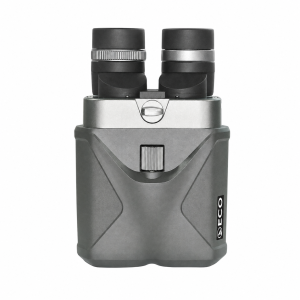
East Coast Optics Skua ED IS 15x42 image stabilised binoculars
£749.00 -
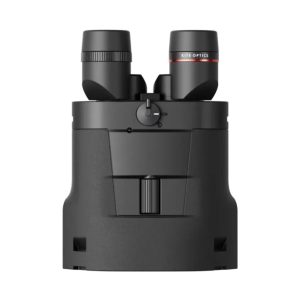
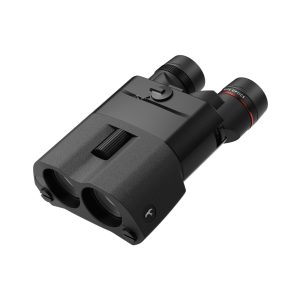
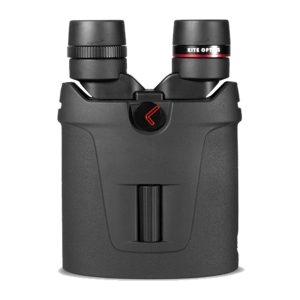
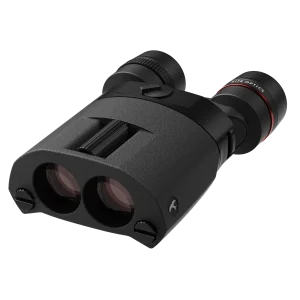
Kite APC Stabilised 22x50 ED Binoculars
£1,699.00 -
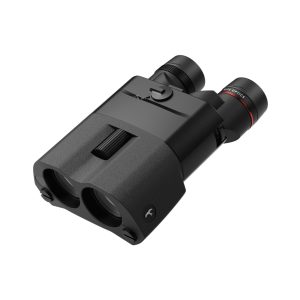
Kite APC Stabilised 18x50 ED Binoculars
Price range: £1,599.00 through £1,649.00 -
Kite APC Stabilised 14x50 ED Binoculars
Price range: £1,569.00 through £1,599.00 -
Kite Optics APC Stabilised 20x42 ED Binoculars
£1,629.00 -
Kite Optics APC Stabilised 16x42 ED Binoculars
£1,539.00 -
Kite Optics APC Stabilised 12x42 ED Binoculars
£1,499.00 -
Kite APC Stabilised 16x42 Binoculars
£1,149.00 -
Kite APC Stabilised 12x42 Binoculars
£1,099.00 -
KITE APC Stabilised 14x30 II Image Stabilised Binoculars
£1,090.00 -
KITE APC Stabilised 10x30 II Image Stabilised Binoculars
£1,040.00 -
Kite Optics APC Silicone Jacket
£40.00
Free delivery
on orders over £60
NEXT DAY DELIVERY
On in stock items
PAYPAL
3 interest free payments
Trade In
upgrade
Order Online
safe and secure
CATEGORY
Filters
What are the best binoculars for bird watching?
For bird watching, 8×42 models are a top choice. They offer the right mix of magnification, brightness, and comfort for spotting birds clearly, even in low light. Popular models from Swarovski, Zeiss, and Hawke are known for excellent image quality and durability.
What do the numbers on binoculars mean?
Numbers like 8×42 refer to magnification and lens size. The first number (8x) is how much closer the image appears. The second (42) is the diameter of the objective (front) lenses in millimetres. Larger lenses gather more light for brighter views.
View our binocular magnification explained article to learn more.
How do you clean binoculars?
To clean your optics, gently remove dust with a lens brush or blower. Then use a microfiber cloth and lens cleaning solution to wipe the lenses. Avoid using tissues or harsh cleaners, and keep them stored in a case to prevent damage.
How much should I spend on binoculars?
How much you spend depends on how often you plan to use them and what you need them for. Entry-level can be a great choice for casual wildlife watching or travel, while more advanced models offer brighter optics, sharper detail and improved low-light performance.
If you are unsure where to start, our team can help you choose the right model for your budget and needs.